The Vindest: Capturing the Essence of Retro Americana in Modern Design
In the rapidly evolving world of graphic design, trends often cycle with predictable regularity. Yet, one aesthetic has maintained a steadfast presence, transcending fleeting fads to become a cornerstone of visual communication: vintage design. At the heart of this enduring style lies the power of typography. Among the myriad options available to designers today, The Vindest stands out as a premier choice for those seeking to evoke nostalgia, authenticity, and old-school charm. This retro vintage display font is not merely a collection of letters; it is a carefully crafted tool that bridges the gap between historical aesthetics and contemporary design needs.
Understanding the Appeal of Vintage Typography
To truly appreciate The Vindest, one must first understand why vintage typography resonates so deeply with modern audiences. In an era dominated by sleek, minimalist, and digital-first designs, there is a growing consumer desire for tangibility and history. Vintage fonts offer a sense of warmth and humanity that sterile, geometric typefaces often lack. They tell a story before a single word is read, suggesting heritage, craftsmanship, and trustworthiness.
The Vindest taps into this psychological connection by drawing inspiration from classic Americana. It reflects a time when signage was hand-painted, logos were stamped with care, and packaging was designed to be kept rather than discarded. By utilizing this font, designers can instantly transport their audience back in time, creating an emotional bridge that enhances brand loyalty and engagement.
The Anatomy of The Vindest
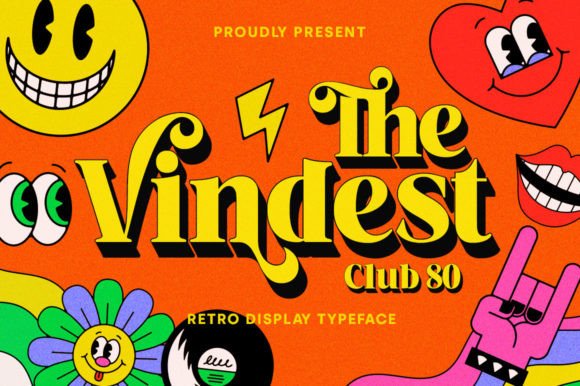
What sets The Vindest apart from other retro fonts is its specific structural characteristics. It features bold letterforms that command attention without being overly aggressive. However, the true magic lies in the details. The edges of the characters are semi-soft, mimicking the natural imperfections of ink spreading on paper or paint brushing against wood. This authentic, hand-drawn look prevents the font from feeling too rigid or computer-generated, preserving the organic feel essential to genuine vintage aesthetics.
The boldness of the typeface ensures high readability, making it suitable for headlines, logos, and short bursts of text where impact is crucial. Unlike delicate script fonts that may struggle at smaller sizes or from a distance, The Vindest maintains its integrity and charm, ensuring that the message is both seen and felt.
Practical Applications in Modern Design
While rooted in the past, The Vindest is incredibly versatile in modern applications. Its timeless appeal makes it a valuable asset across various industries and creative projects. Here are some primary areas where this font excels:
- Vintage Logos: For businesses aiming to establish a sense of tradition and reliability, such as barbershops, breweries, coffee roasters, and artisanal bakeries, The Vindest provides an instant identity marker. It suggests that the brand values quality and history.
- Packaging Design: In the retail sector, packaging is the first point of contact between the product and the consumer. Using The Vindest on labels for homemade jams, craft beers, or organic skincare products can elevate the perceived value of the item, positioning it as a premium, handcrafted good.
- Signage and Posters: Whether for a music festival, a farmers' market, or a boutique hotel, signage needs to be eye-catching. The bold nature of The Vindest ensures visibility, while its retro flair adds character and memorability to physical spaces.
- Social Media Graphics: Digital marketing benefits greatly from distinct visual styles. Using this font in Instagram posts or Facebook ads can help brands stand out in a crowded feed, appealing to users who appreciate aesthetic cohesion and nostalgic vibes.
The Technical Advantage: PUA Encoding
For designers, the aesthetic quality of a font is only half the battle; usability is equally important. One of the most significant technical features of The Vindest is its PUA (Private Use Area) encoding. But what does this mean for the average user, and why is it beneficial?
In standard fonts, accessing special characters, ligatures, and alternate glyphs can often be a cumbersome process, requiring complex keyboard shortcuts or specific software settings. PUA encoding simplifies this entirely. It means that all the unique glyphs and decorative elements included in The Vindest are mapped to specific Unicode points that are easily accessible through the standard character map or glyph panel in most design software.
This feature allows for seamless integration into your workflow. Whether you are using Adobe Illustrator, Photoshop, CorelDRAW, or even word processing software like Microsoft Word, you can access the full range of the font’s capabilities with ease. This inclusivity ensures that both professional graphic designers and hobbyists can utilize the font’s full potential without technical frustration.
Common Misunderstandings About Retro Fonts
There is a common misconception that using vintage fonts limits a design to looking "old" or "outdated." However, this view overlooks the concept of timeless design. When used correctly, retro fonts like The Vindest do not make a brand look obsolete; instead, they lend it a sense of permanence and classic style. Think of major global brands that have retained serif or traditional typography for decades—they are not seen as outdated, but as established and trustworthy.
Another misunderstanding is that bold, display fonts are difficult to read. While it is true that The Vindest is best suited for headlines and short texts rather than long body paragraphs, its clarity is optimized for impact. The semi-soft edges actually aid in distinguishing individual letters, preventing the visual clutter that can occur with overly distressed or grunge-style fonts.
Integrating The Vindest into Your Creative Workflow
To get the most out of The Vindest, consider the following best practices:
- Pairing with Complementary Fonts: Since The Vindest is a display font with strong personality, it pairs well with simple, clean sans-serif or serif fonts for body text. This contrast ensures that the headline grabs attention while the supporting text remains easy to read.
- Color Selection: Vintage aesthetics often benefit from muted, earthy tones or high-contrast combinations like black and cream. Experiment with colors that reflect the era you are trying to evoke, such as mustard yellows, deep reds, or faded blues.
- Utilizing Ligatures: Take advantage of the PUA encoding to explore ligatures and alternate glyphs. These small details can add a custom, bespoke feel to your logos and titles, making your design unique.
- Contextual Relevance: Ensure that the use of a vintage font aligns with your brand’s message. If you are selling futuristic tech gadgets, The Vindest might create a confusing dissonance. However, for products related to food, lifestyle, hospitality, or crafts, it is an ideal choice.
Conclusion: A Timeless Tool for Modern Creators
In conclusion, The Vindest is more than just a font; it is a design element that carries cultural weight and emotional resonance. Its ability to capture the spirit of classic Americana while remaining functional and accessible makes it an invaluable resource for designers, marketers, and creators. By understanding its features, such as the semi-soft edges and PUA encoding, users can leverage this tool to create compelling, authentic, and visually striking projects.
Whether you are designing a logo for a new startup, creating packaging for a handmade product, or simply adding a touch of nostalgia to a personal project, The Vindest offers the perfect blend of style and substance. Embrace the charm of the past to enhance your present creations, and let this retro vintage display font transport your audience to a place where quality and character reign supreme.